





China’s Practical Experience in World Heritage Conservation: Lessons for Sri Lanka
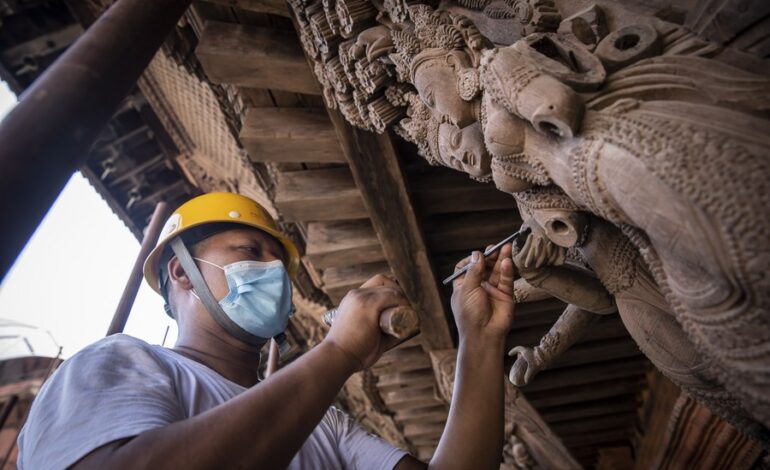

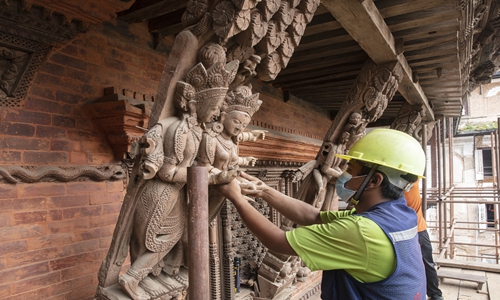
China’s remarkable success in preserving and managing its World Heritage sites has become a model for many countries seeking to balance heritage conservation with economic development. As one of the countries with the largest number of UNESCO World Heritage properties, China has developed a comprehensive approach that combines government commitment, scientific conservation methods, community participation, and sustainable tourism management. These experiences offer valuable lessons for countries such as Sri Lanka, which possesses a rich cultural and natural heritage of global significance.
According to UNESCO, China currently has 60 properties inscribed on the World Heritage List, making it one of the world’s leading nations in heritage conservation. These sites include cultural landmarks, natural landscapes, and mixed heritage properties that represent thousands of years of civilization and diversity.
Strong Government Commitment
One of the key reasons behind China’s success in heritage conservation is the strong role played by the government. Heritage protection is integrated into national development policies, ensuring that conservation efforts receive long-term funding, legal protection, and administrative support. China has established comprehensive regulations for the protection of historical monuments, archaeological sites, cultural landscapes, and natural heritage areas.
Major heritage sites such as the Great Wall, the Forbidden City, and the Grand Canal are managed through dedicated conservation plans that prioritize preservation while allowing controlled public access. This approach has helped protect these sites from urbanization, environmental degradation, and excessive tourism pressure.
Scientific and Technological Approaches
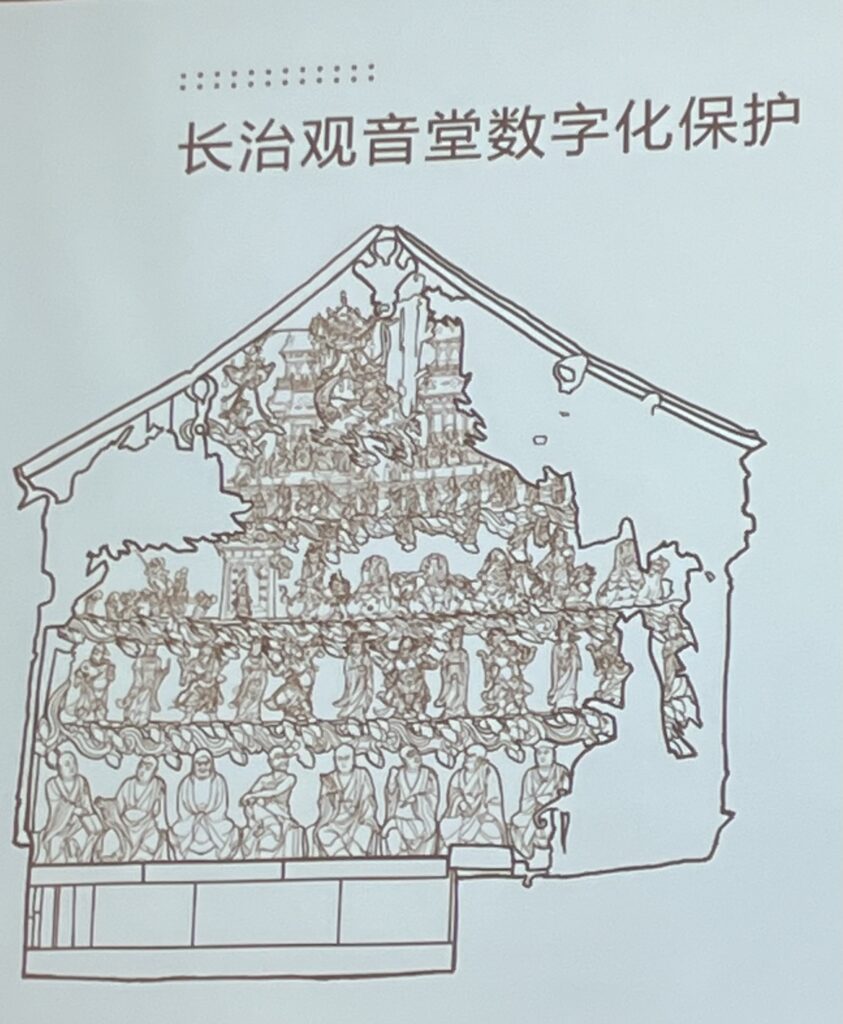
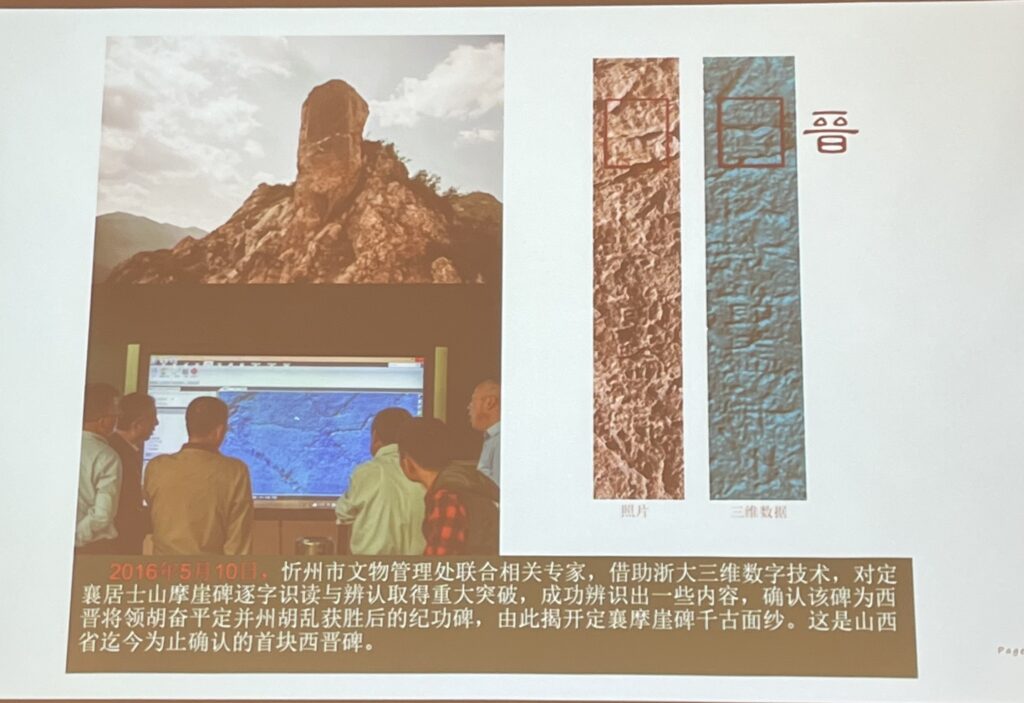
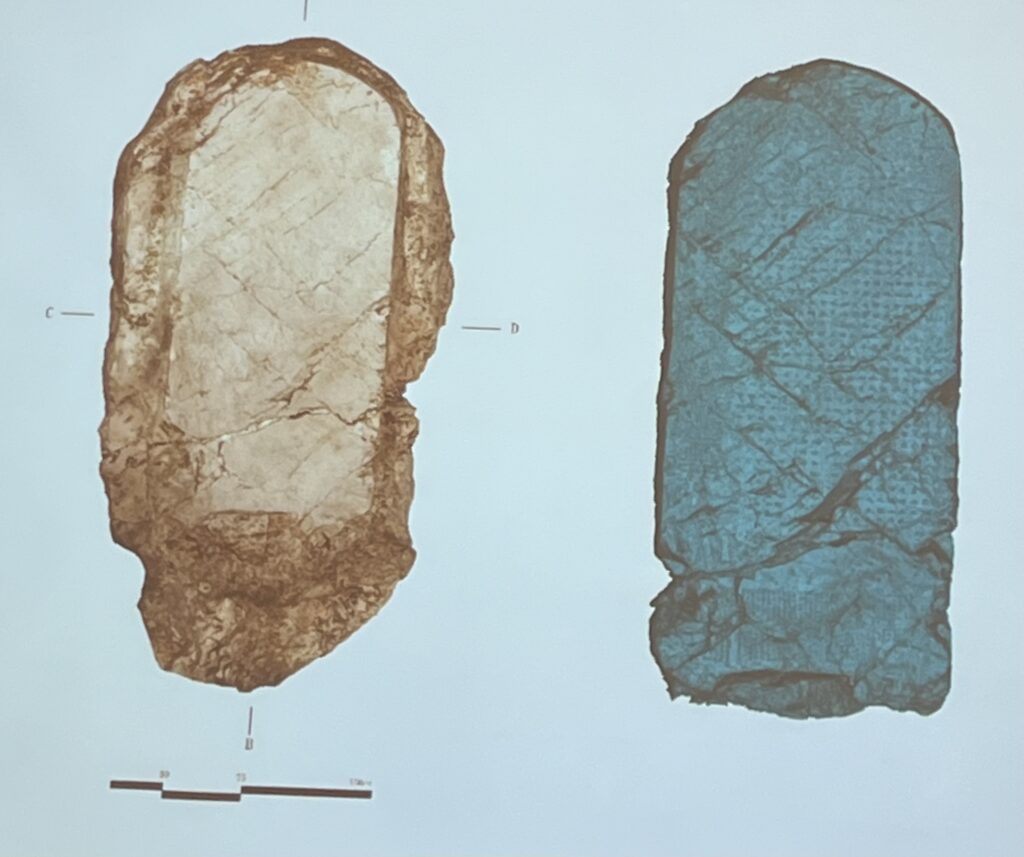
China has increasingly relied on modern technology to strengthen heritage conservation. Digital documentation, Geographic Information Systems (GIS), 3D scanning, artificial intelligence, and environmental monitoring systems are being used to record and manage heritage sites. These technologies help conservation experts monitor structural conditions, predict risks, and preserve historical information for future generations. Research initiatives have also explored AI-assisted systems for heritage interpretation and preservation, demonstrating China’s commitment to innovation in conservation management.
Community Participation and Sustainable Development
China recognizes that heritage conservation cannot succeed without local communities. Through UNESCO-supported projects, local residents, youth groups, and cultural practitioners have been actively involved in protecting heritage resources while benefiting from sustainable economic opportunities. Programs have focused on rural revitalization, heritage education, and environmentally responsible tourism, ensuring that conservation contributes to local livelihoods rather than restricting development.
This community-based approach has strengthened public awareness of heritage protection and created a sense of ownership among local populations.
Balancing Tourism and Conservation
As one of the world’s most visited destinations, China faces significant challenges related to tourism. To address these issues, authorities have introduced visitor management systems, capacity controls, conservation zoning, and educational programs that encourage responsible tourism.
Sites such as China Danxia and other UNESCO-listed landscapes are managed through integrated conservation plans that protect biodiversity and cultural values while accommodating tourism activities. This balance between preservation and economic benefit has become a cornerstone of China’s heritage strategy.
International Cooperation
China has actively cooperated with UNESCO and international heritage organizations to enhance conservation standards. Various projects have focused on improving management capacity, sharing expertise, and promoting sustainable development practices at World Heritage sites. China has also contributed to international efforts to protect cultural heritage in conflict zones and has supported global heritage initiatives through partnerships and knowledge exchange.
What Can Sri Lanka Learn from China?
Sri Lanka possesses eight UNESCO World Heritage sites, including the ancient cities of Anuradhapura and Polonnaruwa, the Sacred City of Kandy, Sigiriya, the Golden Temple of Dambulla, the Old Town of Galle and its Fortifications, the Central Highlands, and the Sinharaja Forest Reserve. These sites represent invaluable cultural and natural assets that require long-term protection.
China’s experience offers several important lessons for Sri Lanka:
First, heritage conservation should be integrated into national development planning. Long-term government commitment and adequate funding are essential to ensure the sustainability of conservation efforts.
Second, Sri Lanka can increase the use of modern technology such as digital mapping, 3D documentation, and environmental monitoring to improve site management and disaster preparedness.
Third, local communities should play a greater role in conservation activities. Empowering residents through heritage-related employment, tourism services, and educational programs can strengthen protection efforts while generating economic benefits.
Fourth, Sri Lanka can adopt more comprehensive tourism management strategies to prevent overcrowding and minimize environmental damage at popular sites such as Sigiriya and the Temple of the Tooth Relic.
Finally, stronger international cooperation and knowledge-sharing partnerships can help Sri Lanka access global expertise, funding opportunities, and innovative conservation techniques.
Conclusion
China’s practical experience in World Heritage conservation demonstrates that successful heritage protection requires a combination of political commitment, scientific innovation, community engagement, sustainable tourism, and international cooperation. By adopting and adapting these best practices, Sri Lanka can further strengthen the protection of its own cultural and natural treasures while promoting sustainable development and preserving its heritage for future generations.
As both China and Sri Lanka possess rich civilizations with deep historical roots, cooperation in heritage conservation can serve as an important bridge for cultural exchange, mutual learning, and the preservation of humanity’s shared heritage.