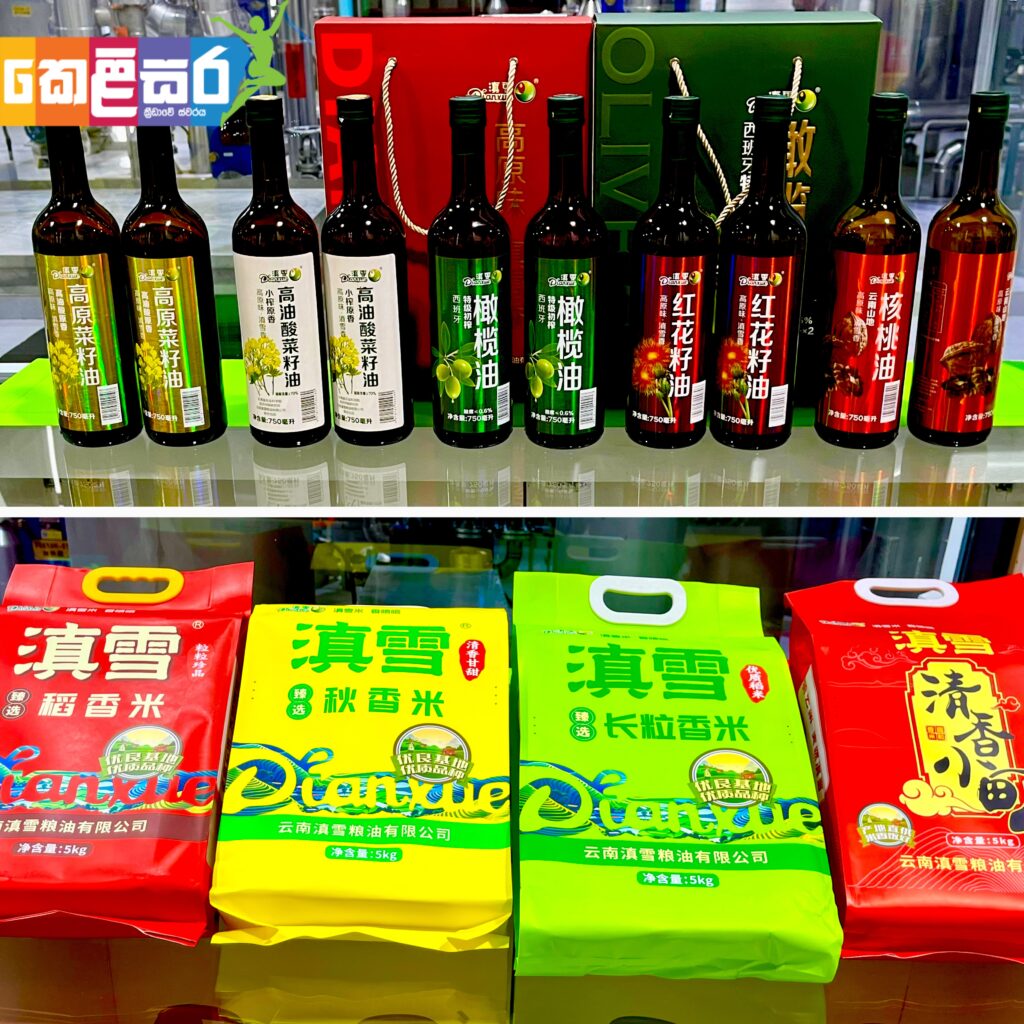





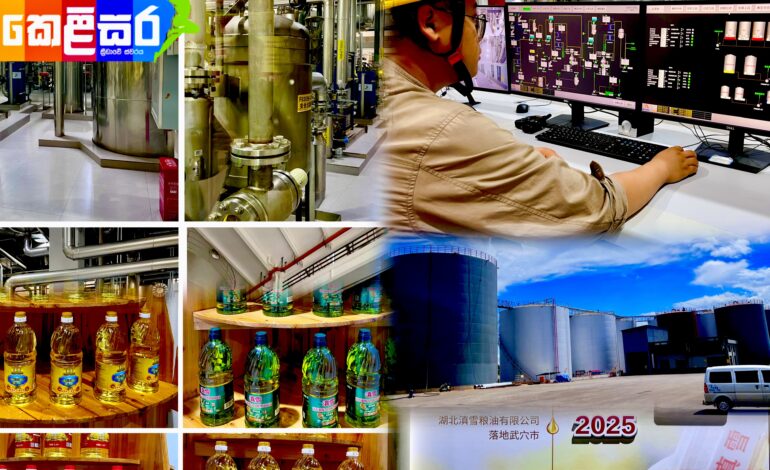
Central Yunnan Edible Oil Production Facility: A High-Efficiency Agro-Industrial Engine within the Logistics Hub

Vinura Karunarathna from Yunnan Yuxi International Logistics Port
Within the rapidly expanding Central Yunnan Grain Logistics Industrial Park, a large-scale edible oil production and refining facility has become one of the most important agro-industrial pillars supporting the region’s integrated “grain-to-oil” supply chain. The factory operates as a key processing node connecting oilseed procurement, industrial crushing, refining, packaging, and distribution, tightly integrated with railway and warehouse logistics systems linked to the China–Laos Railway corridor.
Designed around modern food industrial standards, the facility reflects China’s broader push toward intelligent grain and oil processing, food safety traceability, and large-scale automated production systems.
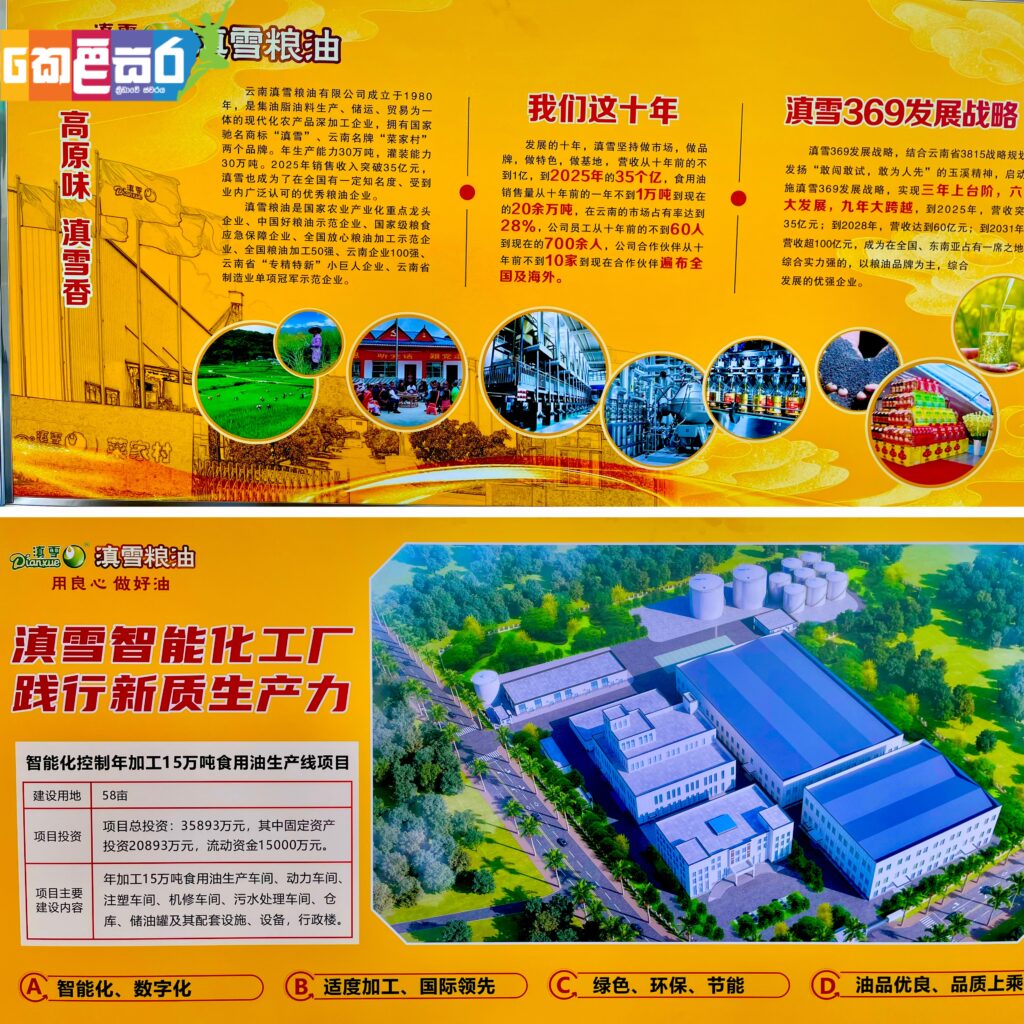
Strategic Role in the Central Yunnan Agro-Industrial Chain
The edible oil factory is positioned as a core downstream processing unit of the grain logistics park. Its primary function is to transform raw agricultural inputs—such as rapeseed, soybean, and sunflower seed oil materials—into refined edible oils for both domestic consumption and export markets.
Key strategic roles include:
- Processing bulk oilseeds transported via rail from Yunnan and northern China
- Supplying packaged edible oil to regional markets in Yunnan, Sichuan, and Guangxi
- Supporting export distribution toward Laos, Vietnam, and Thailand
- Acting as a buffer storage and refining hub within the logistics corridor
The facility is designed to process large-scale agricultural inflows, typically measured in hundreds of thousands to over one million tons annually across crushing and refining lines, depending on production scheduling and demand cycles.
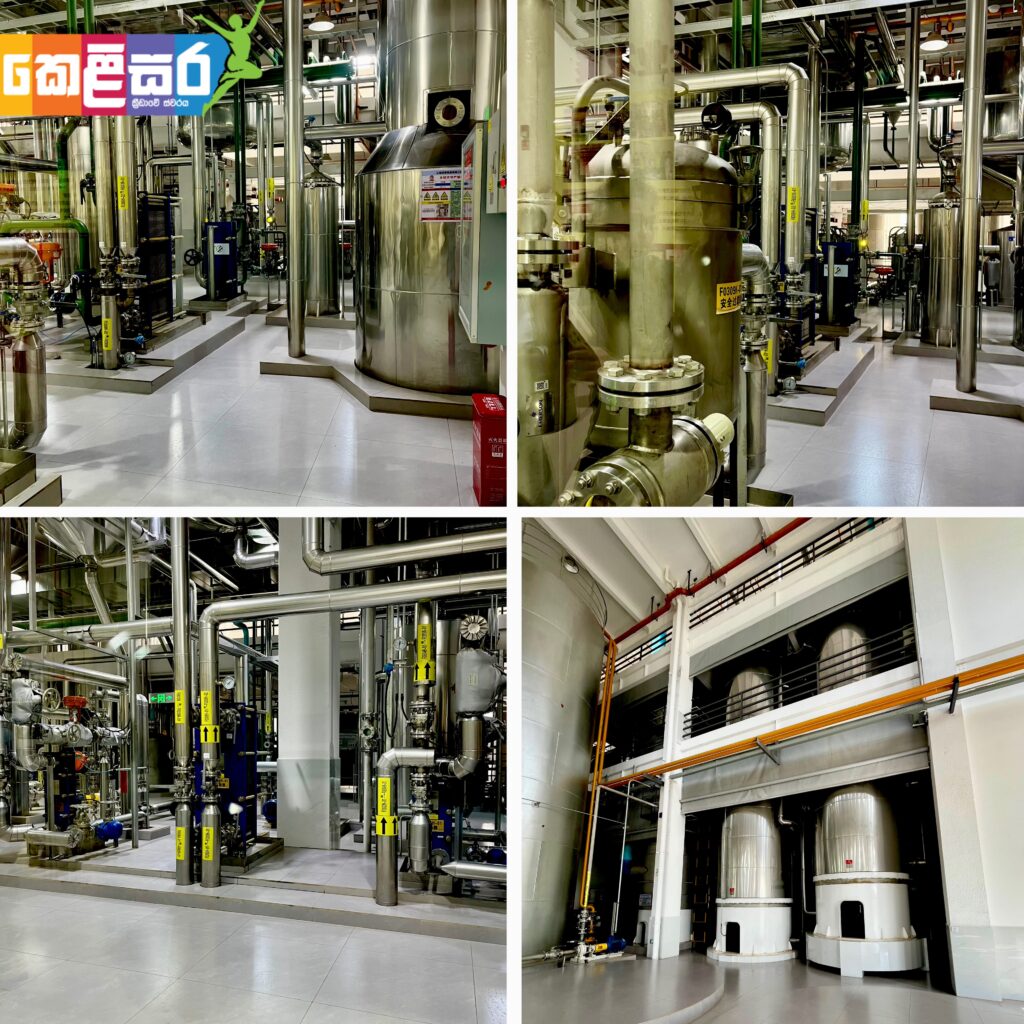
Production Capacity and Industrial Scale
While exact proprietary figures vary by production line, facilities of this type in Yunnan’s grain-oil industrial clusters generally include:
- Oilseed crushing capacity: 500,000 – 1,200,000 tons/year
- Refining capacity: 300,000 – 800,000 tons/year
- Packaging lines: fully automated, high-speed filling systems capable of thousands of bottles per hour
- Storage silos: large-scale grain and crude oil reservoirs with sealed, temperature-controlled environments
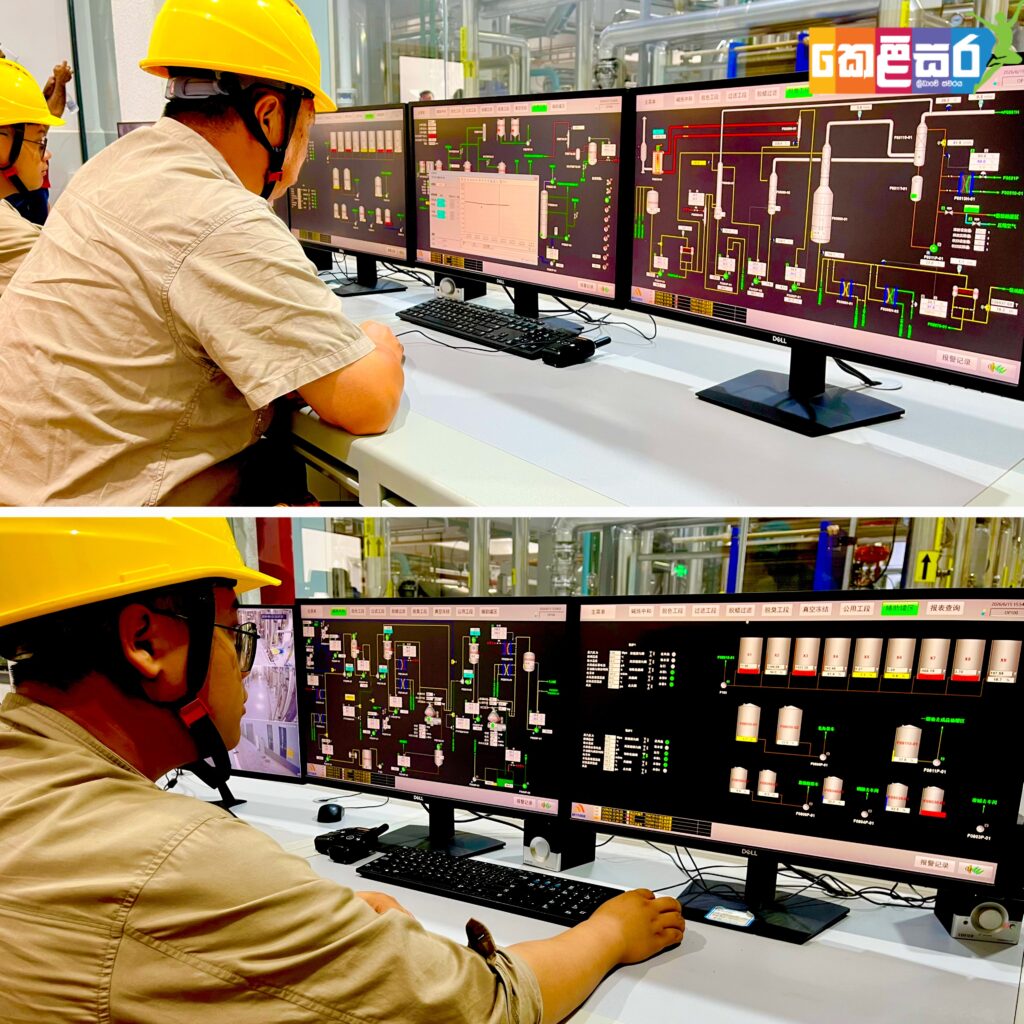
The plant is built to operate under a continuous production model, enabling 24-hour processing cycles with minimal downtime, supported by automated monitoring systems for temperature, pressure, and oil quality indicators.
End-to-End Edible Oil Production Process
The facility follows a fully integrated industrial refining chain, typically structured into the following stages:
1. Raw Material Receiving and Storage
Oilseeds arrive via rail freight (China–Laos Railway) and road transport, then are:
- Weighed and sampled for quality testing
- Stored in sealed silos to prevent moisture and contamination
- Classified based on oil content and seed type
2. Cleaning and Pretreatment
Before processing, seeds undergo multiple purification steps:
- Magnetic separation to remove metal impurities
- Screening to eliminate dust, stones, and foreign matter
- Dehulling (if required for specific oilseed types)
- Conditioning through controlled heating and moisture adjustment
This stage ensures optimal oil yield and processing efficiency.
3. Mechanical Pressing / Extraction
The prepared seeds enter the crushing and extraction system, which may include:
- Screw pressing for mechanical oil extraction
- Solvent extraction systems for high-efficiency oil recovery
The output includes:
- Crude vegetable oil
- Oilcake (used for animal feed or secondary industrial processing)
4. Crude Oil Refining
Crude oil is refined through a multi-stage purification process:
- Degumming: removal of phospholipids and gums
- Neutralization: elimination of free fatty acids
- Bleaching: removal of pigments and oxidation residues
- Deodorization: high-temperature vacuum treatment to remove odor compounds
- Winterization (optional): removal of waxes for clarity and stability
This results in refined, food-grade edible oil compliant with national food safety standards.
5. Packaging and Distribution
The final product is processed through automated systems:
- High-speed filling into bottles or bulk containers
- Barcode-based traceability labeling
- Quality inspection (weight, seal integrity, and purity checks)
- Palletization for logistics dispatch
Products are then distributed via:
- Rail freight corridors (China–Laos Railway network)
- Regional road transport systems
- Cross-border export logistics to Southeast Asia
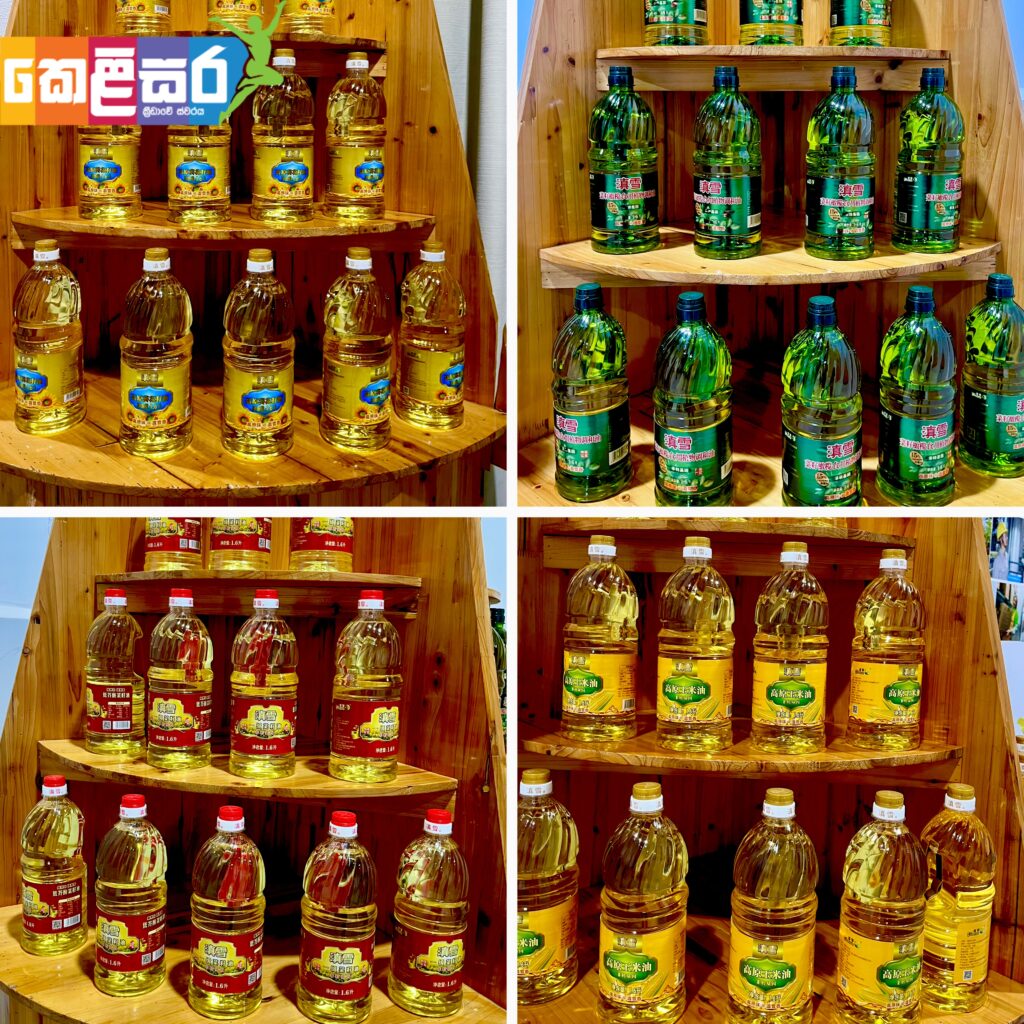
Technology and Automation Features
The facility integrates modern industrial technologies, including:
- Automated PLC control systems for refining precision
- Digital monitoring of temperature and flow rates
- Smart warehouse inventory systems linked to logistics platforms
- Energy-efficient heat recovery systems
- Environmental control systems for emissions and wastewater treatment
These systems are designed to ensure food safety compliance, operational efficiency, and reduced energy consumption.
Economic and Regional Impact
The edible oil factory plays a significant role in Central Yunnan’s industrial transformation by:
- Increasing value-added processing of local agricultural products
- Creating a stable market for oilseed farmers in Yunnan and neighboring provinces
- Strengthening Yuxi’s position as a grain-and-oil logistics hub in Southwest China
- Supporting cross-border trade with ASEAN markets through rail connectivity
It also generates employment across:
- Industrial production
- Quality control laboratories
- Logistics and warehousing
- Equipment maintenance and automation systems
Outlook: Toward an Integrated Smart Agro-Industrial System
With continued expansion of the China–Laos Railway logistics corridor, the edible oil production facility is expected to evolve into a fully digitized smart food manufacturing hub, with future developments likely including:
- AI-based production optimization
- Blockchain traceability for food safety certification
- Expanded cold-chain and bulk oil export capacity
- Greater integration with regional grain procurement networks
Conclusion
The edible oil production factory in Central Yunnan’s logistics industrial park represents a critical link in China’s modern agro-industrial system. By combining large-scale processing, advanced refining technology, and railway-based logistics integration, it transforms raw agricultural commodities into high-value consumer products while strengthening the region’s role in domestic and international food supply chains.