





Chengjiang Fossil Site Continues to Reveal Earth’s Earliest Complex Life

Vinura Karunarathna, reporting from the Chengjiang Fossil Site in Yunnan Province, China
The Chengjiang Fossil Site in Yunnan Province stands as one of the world’s most significant paleontological treasures, offering an extraordinary glimpse into the rapid diversification of life that occurred more than 530 million years ago during the Cambrian Period.
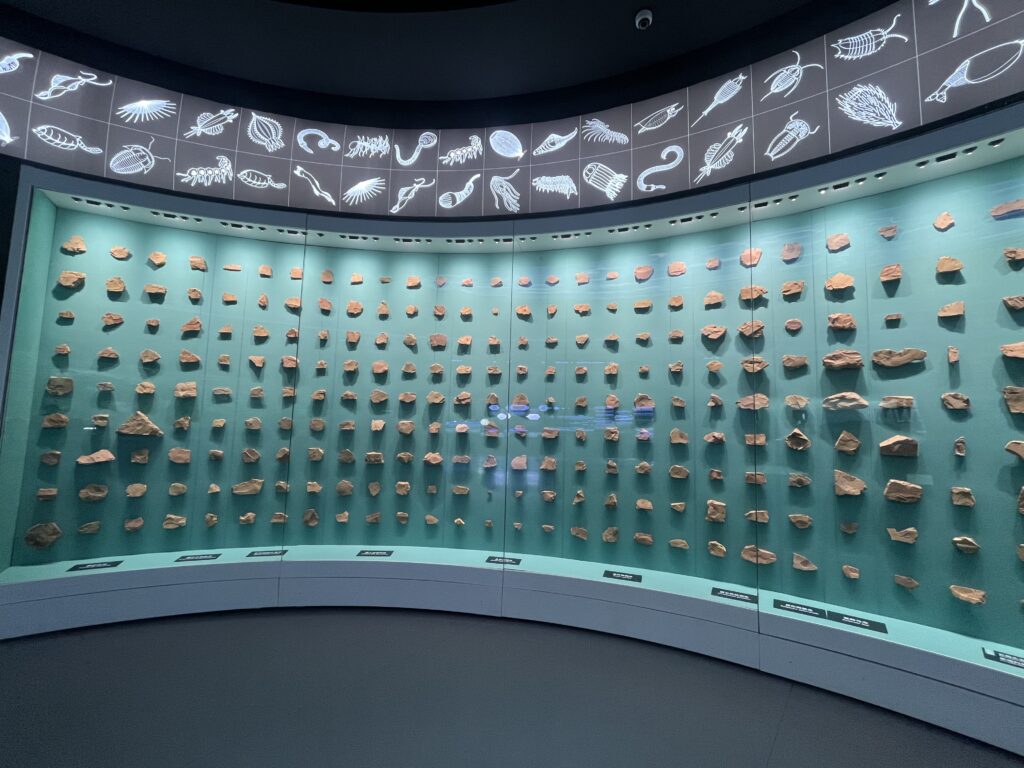
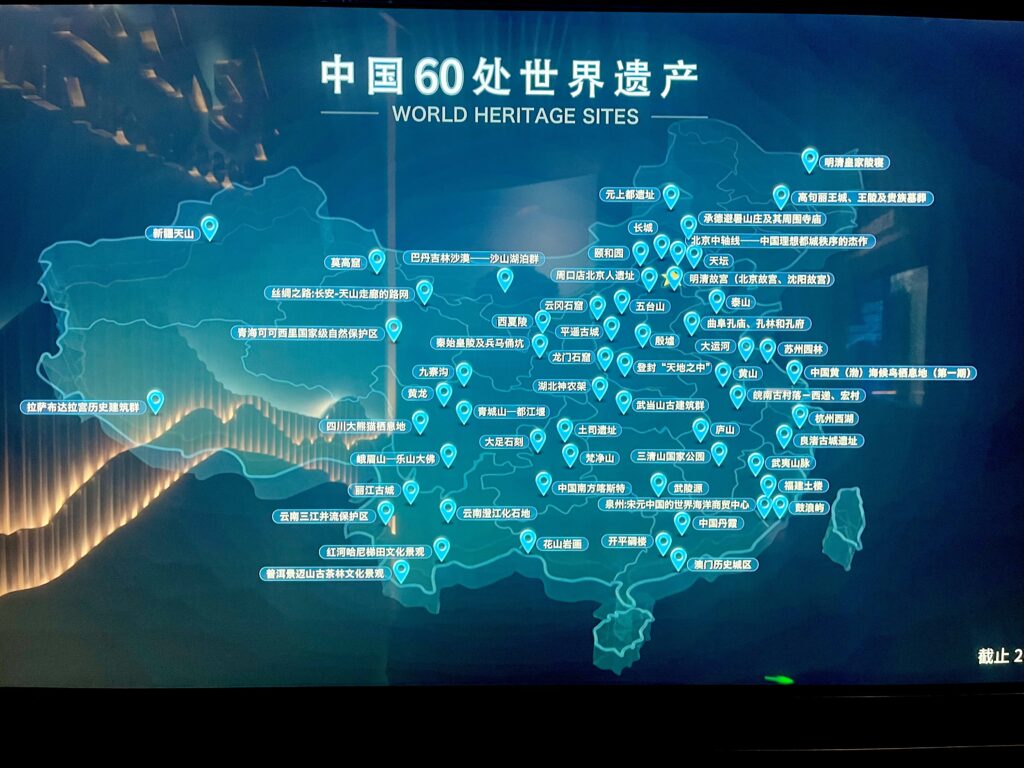
Recognized as a UNESCO World Heritage Site in 2012, the fossil site covers approximately 512 hectares and contains one of the most complete records of an early Cambrian marine ecosystem ever discovered. Scientists have documented around 196 fossil species representing at least 16 major animal phyla, including some of the earliest known vertebrates and soft-bodied organisms.
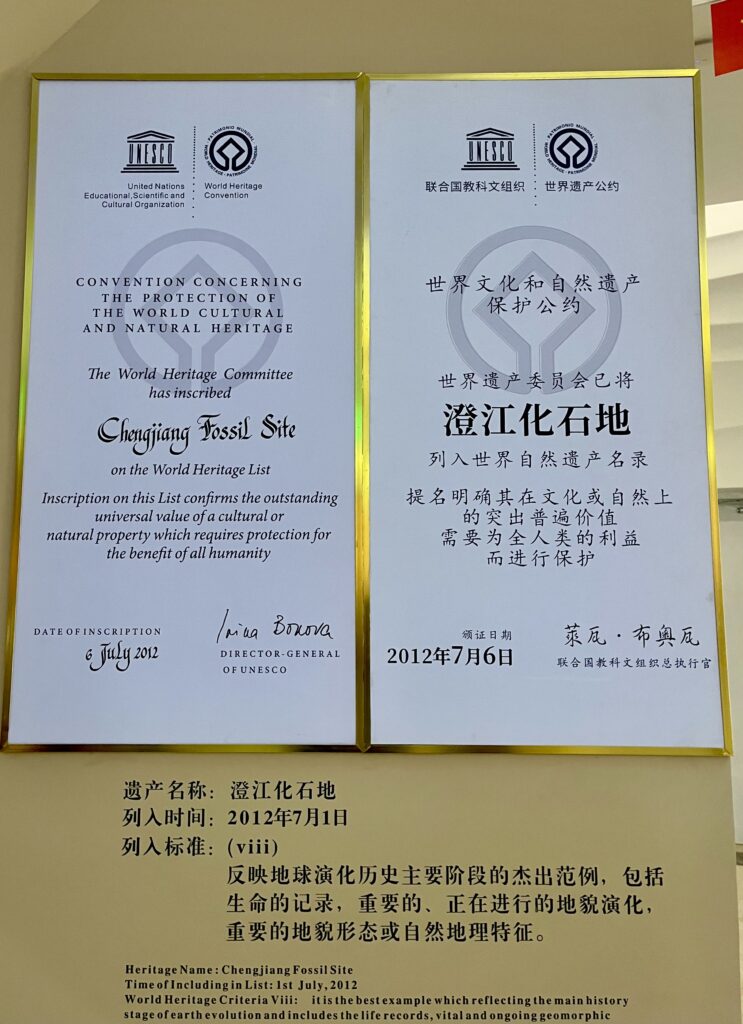
What makes Chengjiang unique is the exceptional preservation of both hard and soft tissues, allowing researchers to study ancient creatures in remarkable detail. Fossils discovered at the site have provided crucial evidence of the Cambrian Explosion, a pivotal period in Earth’s history when most major animal groups first emerged. The site preserves a complex marine community that existed roughly 530 million years ago, making it one of the earliest records of an advanced ecosystem on the planet.
Since its discovery in the 1980s, Chengjiang has become an internationally important center for scientific research, attracting paleontologists from around the world. The fossils have helped researchers better understand the origins of modern animal life and the evolutionary processes that shaped biodiversity on Earth. Approximately 200 species have been recovered from the fossil beds, highlighting the site’s extraordinary scientific value.
Today, the Chengjiang Fossil Site serves not only as a world-class research location but also as an educational and tourism destination, showcasing China’s commitment to protecting globally significant natural heritage. Through continued conservation efforts, the site remains a vital window into the earliest chapters of life on Earth and a source of knowledge for future generations.