


International Yoga Day 2026: Embracing Balance, Mindfulness and a Healthier Future

The theme of this year’s International Day of Yoga is “Yoga for Healthy Ageing.”
This theme highlights the importance of yoga in maintaining physical strength, balance, flexibility, mental well-being, and independent living as we age.
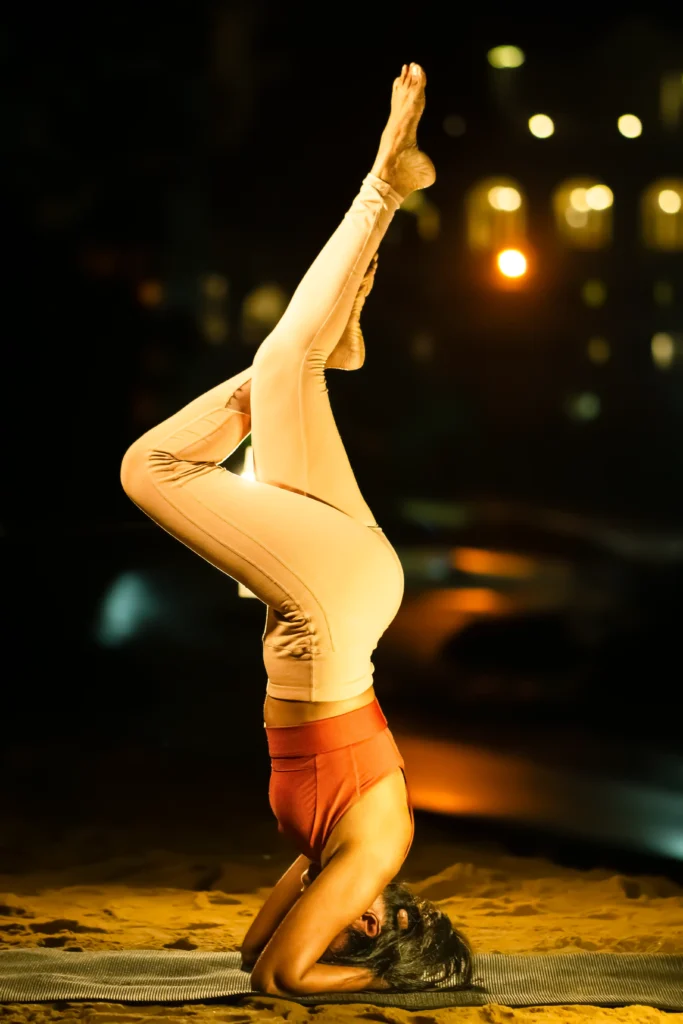
Yoga is not merely a series of physical postures; it is a science that transforms lives. As a yoga teacher, I feel immense gratitude and peace knowing that my own life underwent this positive transformation some years ago.
My desire to share this sense of well-being with others stems from a deep conviction that such a precious human life should not pass by without purpose or meaning.
In truth, yoga is not the art of bending the body; it is a method of bringing balance to life itself. We live in an age of relentless activity, constant distractions, and very little silence. As a result, stress has become a pervasive part of modern life.
Although people today are more connected than ever before, their connection with themselves continues to diminish. Many struggle to find even a few moments for self-care and self-reflection. This, indeed, is a tragedy of our time.
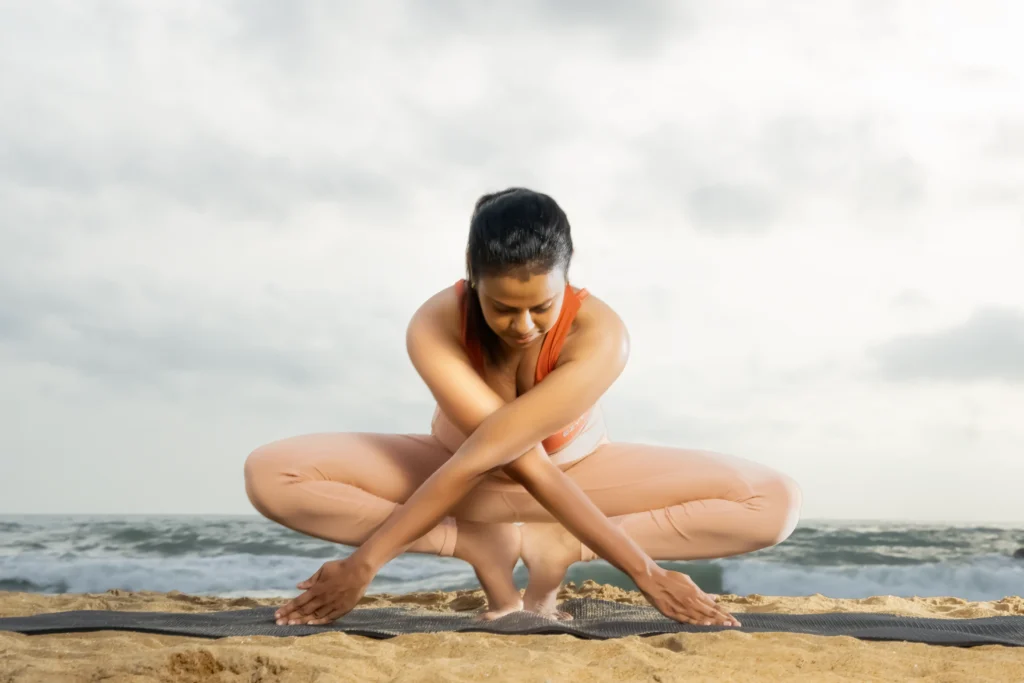
Did you know that yoga is one of the most effective ways to rebuild that lost connection with yourself?
Many people say:
“I can’t do yoga. I’m not flexible enough.”
As yoga teachers, we hear this all the time. Yet expecting flexibility before starting yoga is like expecting knowledge before going to school.
Yoga is not reserved for the naturally flexible; it is a practice for anyone seeking greater balance, awareness, and harmony in life.
The true measure of progress in yoga is not how far your body can bend, but how calm and steady your mind becomes. Over time, both mental well-being and physical flexibility naturally develop through consistent practice.
It is always important to listen to your body and practise within your own capacity and comfort level.
Many of us begin and end our day with our phones. Throughout the day, our minds are constantly occupied by messages, emails, social media, professional responsibilities, and family commitments, leaving little opportunity for genuine rest.
The consequences often include:
- Chronic stress
- Sleep disturbances
- Increased irritability
- Reduced concentration
- Unnecessary muscular tension
- Mental exhaustion
In many cases, we seek solutions to these challenges in the external world. Yoga, however, teaches us that true healing must also come from within.
One of the most powerful tools we possess, yet often overlook, is the breath.
The first act of life is inhalation; the last is exhalation. Yet between these two moments, we rarely pay attention to the quality of our breathing.
When we are stressed, our breath becomes shallow. When we are angry, it becomes rapid. When we are fearful, it becomes irregular.
For this reason, the practice of Pranayama the yogic science of breath regulation—plays a vital role in calming the mind and restoring inner balance.
While many people openly discuss physical health, conversations about mental well-being are still often neglected. Yoga offers a unique approach by nurturing both physical and mental wellness simultaneously.
After all, true health cannot exist without a peaceful mind.
When we learn to pause before reacting, the quality of our lives begins to change. We become more mindful, more resilient, and more present.
Many people view yoga simply as a one-hour class. But did you know that yoga truly begins after the class ends?
It is reflected in:
- How you respond when you are angry
- How mindfully you eat
- How attentively you listen to others
- How kindly you speak to yourself
These are the practical expressions of yoga in daily life.
Yoga is the process of learning to master life through greater awareness of the body, mind, and breath.
Therefore, on this International Day of Yoga, I invite you to move beyond merely reading about yoga and begin experiencing it for yourself.
In the coming weeks, I hope to share a series of practical video lessons covering:
- Yoga postures suitable for beginners
- Daily breathing techniques
- Yogic tools for stress management
- Meditation practices
- Healthy and balanced nutrition
- Techniques for relaxation and recovery
- Ways to integrate yoga into modern daily life
These step-by-step guides will help you build a sustainable and meaningful yoga practice.
If you were to ask me, “When is the best day to begin yoga?” my answer would be simple:
The best time is this very moment—the moment you become aware of your breath.
Yoga is not a one-hour practice separated from life; it is the art of living each moment with awareness, balance, and presence.
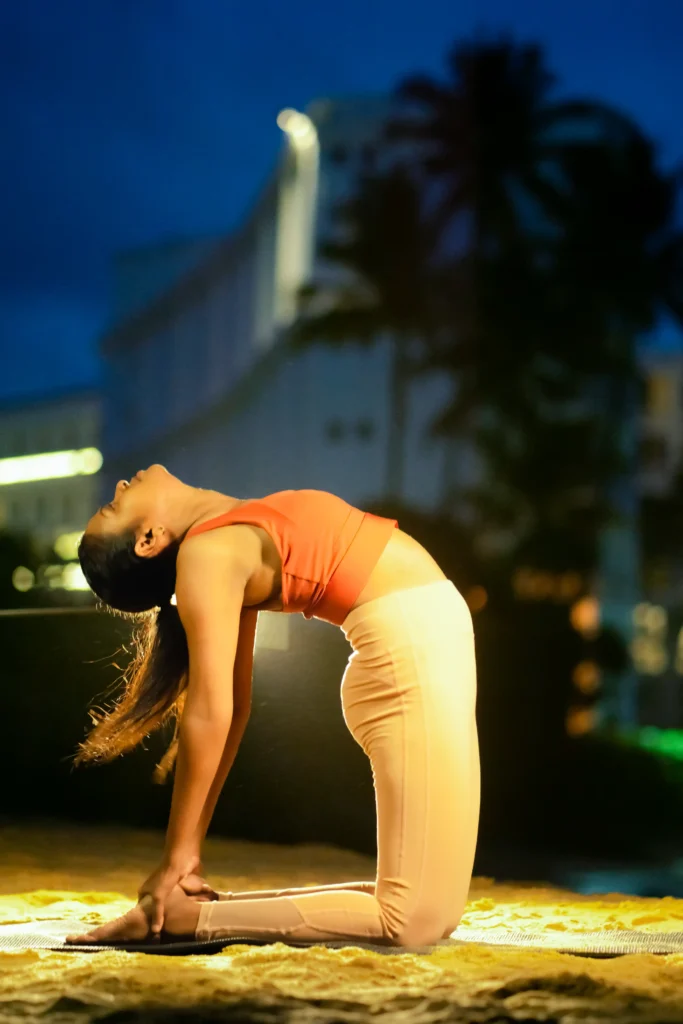
අදට යෙදී ඇති ජාත්යන්තර යෝග දිනයේ මෙවර තේමාව “Yoga for Healthy Ageing” (නිරෝගී වයස්ගත වීම සඳහා යෝග) යන්නයි.
මෙම තේමාව මගින් වයස්ගත වීමත් සමඟ ශාරීරික ශක්තිය, සමතුලිතතාව, නම්යශීලී බව, මානසික සෞඛ්යය සහ ස්වාධීන ජීවන හැකියාව පවත්වාගෙන යාම සඳහා යෝගාභ්යාසයේ වැදගත්කම අවධාරණය කරවනු ලබයි.
යෝග යනු ආසන පමණක් නොව ජීවිතය පරිවර්තනය කරන විද්යාවකි. යෝග ගුරුවරියක් වශයෙන් කටයුතු කරන මාගේ ජීවිතයද කාලයකට ඉහතදී මේ සුබවාදී පරිවර්තනයට ලක්වීම පිළිබඳව දැනෙන්නේ අප්රමාණ සැනසීමකි.
ඉතින් මා ලද ඒ සැනසීම ඔබ වෙනුවෙන් පරිත්යාග කිරීමට උත්සාහ ගන්නේ දුර්ලභ මනුෂ්ය ආත්මයක් ලබා මෙලොවින් නිකම්ම යාමට ඇති අකමැත්ත නිසාවෙනි.
ඇත්ත වශයෙන්ම යෝග යනු ශරීරය නැමීමේ කලාවක් නොව, ජීවිතය සමතුලිත කිරීමේ ක්රමවේදයකි. අද අප ජීවත් වන්නේ අතිශය කාර්යබහුල, නිශ්ශබ්දතාවය අඩු යුගයකයි. ඒ තුළ මානසික පීඩනය උපරිමයි.
මනුෂ්යයාට පෙරට වඩා වැඩි සම්බන්ධතා ඇතත්, තමන් සමඟ ඇති සම්බන්ධතාවය හීන වෙමින් පවතී. ඔවුන්ට තමන් වෙනුවෙන් වෙලාවක් සොයා ගැනීමට නැති තරම්ය. ඇත්තෙන්ම එය ඛේදවාචකයකි.
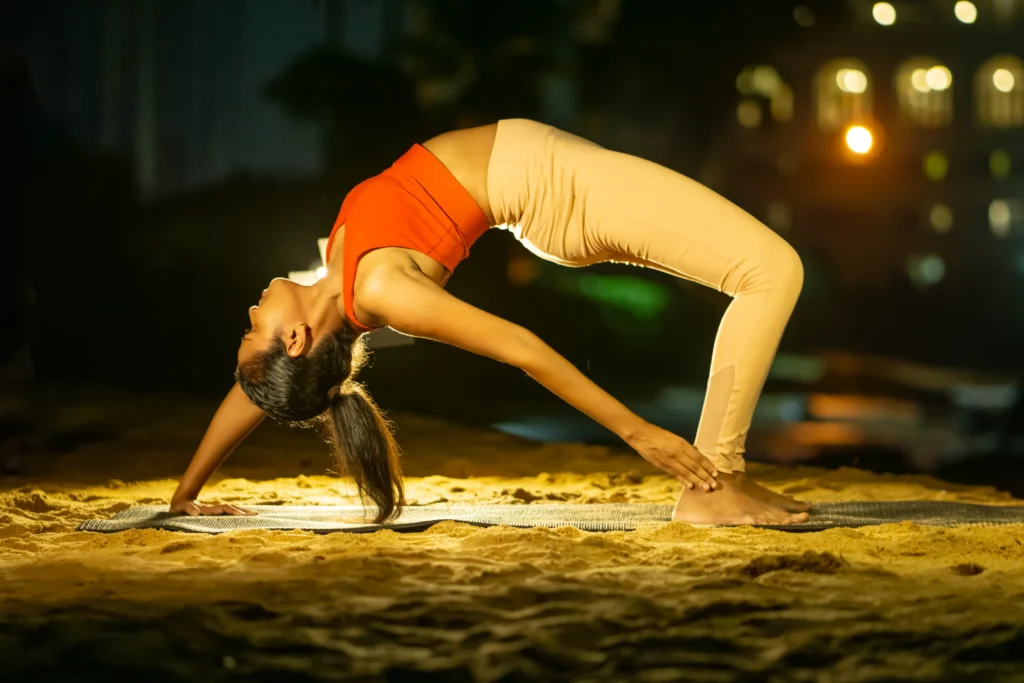
ඔබ දන්නවාද? යෝග ඒ අහිමි වූ සම්බන්ධතාවය නැවත ගොඩනඟා දෙන මාර්ගයයි.
බොහෝ දෙනා සිතන්නේ
“මට යෝග කරන්න බැහැ. මගේ ඇඟ නම්යශීලී නැහැ.” කියායි.
යෝග ගුරුවරුන් ලෙස අපට නිතර ඇසෙන්නේ මේවායි. නමුත් යෝග ආරම්භ කිරීමට නම්යශීලී ශරීරයක් අවශ්ය නම්, පාසලට යාමට පෙර දැනුම තිබිය යුතුයැයි පැවසීම හා සමාන නොවේද?
යෝග යනු නම්යශීලී අයට පමණක් නොව, ජීවිතයේ සමතුලිතතාවය සොයන ඕනෑම පුද්ගලයෙකුට අයිති වූ පුහුණුවකි.
යෝගයේ සැබෑ ප්රගතිය මැනෙන්නේ ඇඟ කොතරම් නැමෙයිද යන්නෙන් නොව, මනස කොතරම් සන්සුන් වෙයිද යන්නෙනි. ඉතින් කාලය ගත වෙත්ම මානසික සුවය සහ ශාරීරික නම්යතාවය යන දෙකොට්ඨාසයම ඔබට හිමි වනු ඇත.
සෑම විටම තම ශරීරයට ඇහුන්කන් දෙමින් තමන්ට පුළුවන් පරාසයෙන් යෝග පුහුණු වීම වැදගත්ය.
අපි බොහෝ දෙනෙකු දිනය ආරම්භ කරන්නෙත් අවසන් කරන්නෙත් දුරකථනයෙනි. දවස පුරා පණිවිඩ, විද්යුත් තැපැල්, සමාජ මාධ්ය, රැකියා වගකීම් සහ පවුල් කටයුතු නිසා මනසට විවේකයක් නොලැබේ.
මෙහි ප්රතිඵලය වන්නේ:
- අධික ආතතිය
- නින්දේ ගැටලු
- කෝපය වැඩිවීම
- අවධානය අඩුවීම
- ශරීරයේ අනවශ්ය තදබදය
- මානසික වෙහෙස
බොහෝ විට මෙම ගැටලු සඳහා අප විසඳුම් සොයන්නේ බාහිර ලෝකයේය. නමුත් යෝග අපට උගන්වන්නේ අභ්යන්තර ලෝකයද සුව කළ යුතු බවයි.
අප සතුව ඇති නමුත් භාවිත නොකරන ඖෂධය හුස්මයි. ජීවිතයේ පළමු ක්රියාව හුස්ම ගැනීමයි. අවසාන ක්රියාවද හුස්ම පිට කිරීමයි. එහෙත් ඒ අතරතුර හුස්ම ගැනීමේ ගුණාත්මකභාවය ගැන අප සිතන්නේ ඉතා කලාතුරකිනි.
ආතතියෙන් සිටින විට හුස්ම කෙටි වේ. කෝපයෙන් සිටින විට හුස්ම වේගවත් වේ. බියෙන් සිටින විට හුස්ම අක්රමවත් වේ.
එම නිසා යෝගයේ ප්රාණායාම අභ්යාස තුළින් හුස්ම වෙනස් කිරීමෙන් මනස සංසුන් කිරීමට කටයුතු කරවයි.
බොහෝ දෙනෙක් ශාරීරික සුවතාවය ගැන කතා කළත්, මානසික සුවතාවය ගැන කතා කිරීමට තවමත් මැළි වෙති. නමුත් ඔබේ ශාරීරික හා මානසික සුවය එකවර යෝග තුළින් ලබා දෙයි.
මන්ද සිත සන්සුන් නොවන්නේ නම් ශරීර සෞඛ්යයද පූර්ණ නොවේ. ප්රතිචාර දක්වන්නට පෙර මොහොතක් නතර වීමට ඉගෙන ගන්නා විට, අපගේ ජීවිතයේ ගුණාත්මකභාවය වෙනස් වීමට පටන් ගනී.
බොහෝ දෙනෙක් යෝග පිළිබඳ සිතන්නේ පැයක පන්තියක් ලෙසයි. නමුත් යෝග සැබැවින්ම ආරම්භ වන්නේ පන්තිය අවසන් වූ පසුව බව ඔබ දන්නවාද?
- කෝපයෙන් සිටින විට ඔබ ප්රතිචාර දක්වන ආකාරය
- ආහාර ගන්නා විට ඔබේ අවධානය
- අනෙක් පුද්ගලයාට සවන් දෙන ආකාරය
- ඔබ ඔබටම කතා කරන ආකාරය
මේ සියල්ල යෝගයේ ප්රායෝගික පැතිකඩයන්ය. යෝග යනු ශරීරය පාලනය කිරීමෙන් ජීවිතය පාලනය කිරීමට ඉගෙනීමේ ක්රියාවලියකි.
ඉතින්, මේ ජාත්යන්තර යෝග දිනයදා, යෝග ගැන කියවීමෙන් ඔබ්බට ගොස් එය අත්දැකීමට ඔබට මා ආරාධනා කරන්නෙමි.
ඉදිරියේ ඒ වෙනුවෙන් වූ ප්රායෝගික වීඩියෝ මාලාවන් තුළින්, ආරම්භකයින් සඳහා සුදුසු යෝග ආසන, දිනපතා හුස්ම පාලන ක්රම, ආතතිය කළමනාකරණය සඳහා යෝගික මෙවලම්, භාවනා පුහුණු, නිවැරදි ආහාර රටාවන්, ශරීරය ඉහිල් කරවීම සහ නවීන ජීවිතයට යෝග ඒකාබද්ධ කරගන්නා ආකාරය පිළිබඳ පියවරෙන් පියවර මාර්ගෝපදේශ ලබාදීමට බලාපොරොත්තු වෙමි.
යෝගය ආරම්භ කිරීමට සුදුසුම දිනය කවදාදැයි ඔබ මගෙන් ඇසුවහොත්, පිළිතුර සරලය.
ඔබ ඔබේ හුස්මට අවධානය යොමු කරන මේ මොහොතයි.
යෝග යනු ජීවිතයෙන් වෙන් වූ පැයක අභ්යාසයක් නොව, ජීවිතයේ සෑම මොහොතක්ම සවිඥානිකව ජීවත්වීමේ කලාවයි.”
Malsri Amarasinghe
Yoga Teacher (India)
International Diploma in Physical Fitness and Coaching (UK-CPD, PIA)
Professional Sports Masseur(NVQ Level 4)